
Clear Answers. Deeper Understanding. A Practical Path Forward.
When your child is struggling, you want more than a test score or diagnostic label. You want to understand what is happening, why it is happening, and what you can do to help.
At TLC Wellness, we provide comprehensive neurodevelopmental, psychoeducational, and behavioral evaluations for children and adolescents. Many families come to us knowing something is getting in the way but not knowing exactly what.
Our goal is to bring the pieces together into a clear understanding of your child's unique strengths, challenges, and needs.

How We Can Help You
Autism Spectrum Disorder
Comprehensive autism evaluations that consider social communication, sensory experiences, flexibility, repetitive patterns, developmental history, and the many ways autism can present, including subtle or highly masked presentations.
ADHD & Executive Functioning
Assessment of attention, working memory, organization, planning, and other aspects of executive functioning, while considering anxiety, learning difficulties, and other factors that may resemble or contribute to ADHD symptoms.
Learning Disabilities
Comprehensive evaluation of cognitive and academic functioning, including concerns related to reading and dyslexia, written expression and dysgraphia, mathematics and dyscalculia, and other learning difficulties.
Complex Diagnostic Questions
When symptoms overlap or the answer isn’t obvious, we consider multiple possibilities rather than starting with a predetermined diagnosis. Evaluations explore developmental, learning, executive functioning, emotional, and behavioral factors.
Behavioral Assessments
When challenging behavior affects life at home, school, or in the community, understanding why it happens is essential. Behavioral assessments identify patterns, triggers, and contributing factors and translate findings into practical strategies for children and caregivers.
We’ll Guide You Through Each Step
1. UNDERSTAND
We start with your questions.
We meet with you to understand your child's history, strengths, challenges, and what you hope to learn from the evaluation.
2. EVALUATE
We build the evaluation around your child.
Testing is individually selected based on the referral questions and may be adjusted as we learn more.
3. CONNECT THE DOTS
We make sense of the whole picture.
We integrate testing results with developmental history, observations, rating scales, records, and input from other important people in your child's life.
4. MOVE FORWARD
You leave with understanding and a plan.
We meet with you to explain the findings in understandable language and provide specific, prioritized recommendations for home, school, treatment, and next steps.
5. IMPLEMENTATION SUPPORT
From assessment to action.
The evaluation doesn’t have to end with the report. Optional follow-up support is available to help families implement recommendations, determine what is working, and adjust strategies as needs evolve.
Meet Your Psychologist
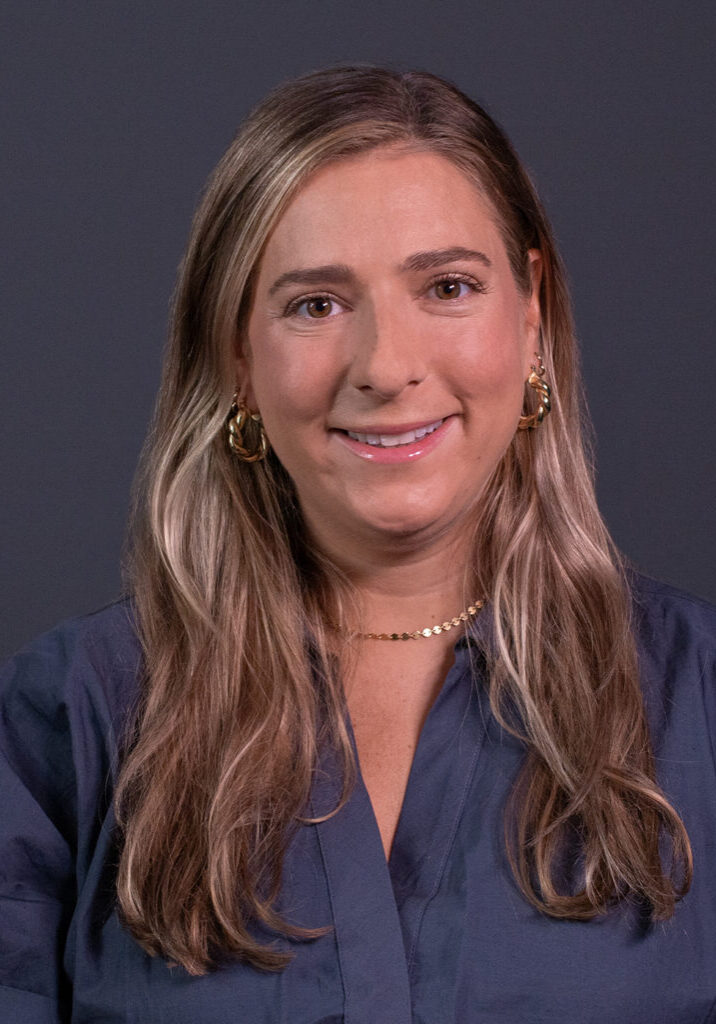
Dr. Jessica Savaiano, PsyD, NCSP, BCBA, LBS
Your child's evaluation will be conducted by Dr. Jessica Savaiano. Dr. Savaiano’s background spans clinical psychology, school psychology, and applied behavior analysis, allowing her to understand children from multiple perspectives and translate findings into practical recommendations. She is passionate about accurate, thoughtful diagnosis and truly comprehensive evaluation that aims to understand the whole child—their strengths, challenges, history, environment, and unique way of functioning. Her goal is to help families understand not only what is happening, but why and what to do next. She also values continuity of care, remaining a resource as families and schools implement recommendations and their child’s needs evolve over time.
Evaluations FAQs
An evaluation may be helpful when you have ongoing questions about your child’s learning, attention, development, behavior, emotions, or social functioning and are not sure what is driving their difficulties or how best to support them. It can also be valuable when a child is struggling despite existing supports, when their strengths seem to mask areas of difficulty, or when different concerns overlap and the picture is unclear.
You do not need to know what diagnosis—or even what type of evaluation—your child may need before reaching out. An initial consultation can help determine whether an evaluation is appropriate and what questions would be most helpful to explore.
That’s okay—you don’t need to know before reaching out. Many concerns overlap, and difficulties with learning, attention, executive functioning, autism, anxiety, behavior, and emotional functioning can look similar on the surface. Many assessments evaluate for more than one diagnosis in order to ensure that diagnoses are accurate and nothing important is missed.
During a free consultation call, we will learn about your concerns. Evaluations are then individualized around your child and the questions you want answered rather than requiring you to choose a predetermined testing package.
This is a common question, and both can be valuable—they simply serve somewhat different purposes.
A school evaluation focuses on understanding a student’s functioning within the educational setting, determining whether they meet criteria for special education services, and identifying appropriate educational supports. Schools typically focus on educational eligibility rather than providing clinical diagnoses. A private evaluation can explore broader clinical and diagnostic questions while also considering how a child’s profile affects learning and school functioning. This may be especially helpful when parents have questions that extend beyond school performance—for example, concerns about ADHD, autism, anxiety, emotional or behavioral functioning, or a complex combination of strengths and challenges.
Because Dr. Savaiano is also a school psychologist, she understands how evaluation findings translate into the classroom and is well versed in identifying appropriate school-based accommodations, interventions, and educational supports. This allows families to receive a broader clinical understanding of their child while still considering what that understanding means for their education.
Private and school-based evaluations do not have to be either/or. Information from one can help inform the other, and collaboration between families, private providers, and schools can provide a more complete understanding of a child. Dr. Savaiano understands both sides of this process and values collaboration with school teams. Her goal is to provide additional insight that helps families and schools develop a shared understanding of a child’s strengths and needs—and how best to support them.
Assessments are thoughtfully selected based on each individual’s referral questions, history, and unique needs. Rather than relying on a standard testing battery, Dr. Savaiano uses a flexible, individualized approach, drawing from a wide range of assessment tools to explore different areas of functioning.
Assessments may include:
Comprehensive Developmental & Clinical Interviews
We begin by learning about your child’s development, strengths, challenges, and day-to-day functioning across home, school, and other settings. We will also explore your specific concerns and questions to help guide the evaluation and determine which areas should be assessed more closely. Clinical interviews are typically also conducted with the child being tested during test sessions.
Cognitive (IQ) Testing
Cognitive testing may be completed to better understand your child's individual pattern of reasoning, verbal comprehension, visual-spatial abilities, working memory, processing speed, and other cognitive abilities when relevant to the evaluation. This can be especially valuable when a child's intellectual strengths may be helping them compensate for areas of difficulty, or when meaningful differences between areas of strength and weakness can help guide individualized supports and intervention planning.
Academic Achievement Testing
Academic assessment may examine skills in listening comprehension, oral expression, reading, writing, and mathematics, with more in-depth assessment of specific areas when concerns are identified. Results can help identify specific learning strengths and weaknesses and clarify the types of instruction, intervention, and school supports that may be most helpful.
Attention & Executive Functioning Testing
When indicated, assessment may examine attention, working memory, inhibition, cognitive flexibility, planning, organization, processing efficiency, and other executive functions that affect learning and independent functioning.
Social/Emotional/Behavioral Rating Scales
Parents, teachers, and sometimes the child or adolescent may complete standardized rating scales comparing aspects of functioning with those of same-age peers. Depending on the referral questions, rating scales may examine attention and executive functioning, adaptive skills, emotional functioning, behavior, social functioning, or other relevant areas.
ADOS-2
When appropriate, the Autism Diagnostic Observation Schedule, Second Edition (ADOS-2) may be included as one component of an autism evaluation. The ADOS-2 uses structured and semi-structured activities to provide opportunities to observe social communication, interaction, play or imagination, and behaviors associated with autism.
Real-World Observation
When clinically indicated, observation may extend beyond the testing office. Dr. Savaiano may observe a child in their natural environment to better understand how they communicate, interact, regulate, and respond to everyday expectations. For some children, seeing how they function outside a structured one-on-one evaluation provides information that cannot be captured through standardized testing alone.
Collaboration With Other Professionals
With your permission, Dr. Savaiano may consult directly with teachers, school administrators, therapists, pediatricians, psychiatrists, and other professionals who know your child well. These conversations can provide valuable information about how your child functions across different settings and help clarify patterns that may not be captured through testing or rating scales alone. By bringing together perspectives from the people who see your child in different parts of their life, we can develop a more complete and accurate understanding of what is going on.
ABC Data
Families, school staff, or other caregivers may be asked to collect information about:
Antecedents — what happened immediately before the behavior
Behavior — what the child actually did
Consequences — what happened immediately afterward
Patterns across these observations help identify the variables that may be influencing and maintaining the behavior. This data is especially helpful when a child’s behavior varies between settings
The full evaluation process is typically started and completed within about one month, from the initial parent interview through testing, report preparation, and feedback. New evaluations can typically be scheduled within one week after the complementary consult call.
Testing is conducted in person at our Audubon location, and we typically reserve two sessions of a few hours each. This allows testing to be divided if your child becomes tired and provides flexibility to explore additional areas if new questions emerge during the first session. Not every child will need the full amount of time reserved. The initial parent interview and feedback sessions can be conducted virtually, providing families with greater scheduling flexibility.
Yes. You will receive a comprehensive written report that includes relevant developmental, medical, social, and educational history; a review of relevant records, assessment results; and a clear answer to the questions that brought you to the evaluation. Rather than simply presenting test scores, the report brings the findings together into a cohesive picture of how your child thinks, learns, and functions, along with any applicable diagnoses and individualized, evidence-based recommendations for next steps.
Yes, when appropriate. We believe children and teens can benefit from understanding how their brain works, what they are good at, what may be harder for them, and what can help. Feedback is individualized and presented in a developmentally appropriate, strengths-based way.
Dr. Savaiano often creates personalized visual supports and infographics to make assessment results and complex ideas easier to understand and meaningful to each child. The goal is for children and teens to leave with greater insight into themselves, not simply a diagnostic label.
A useful evaluation should provide more than a yes-or-no answer to a diagnostic question. Even when your child does not meet criteria for the diagnosis you initially wondered about, the evaluation should still help answer the questions that brought you to us: What is happening, why is it happening, and what will help?
Our goal is for you to leave with a clearer understanding of your child’s unique strengths, challenges, and overall profile—along with a practical, manageable plan for what to do next. Recommendations are individualized and may address home, school, treatment, communication, social functioning, sensory needs, emotional regulation, adaptive skills, or other areas identified through the evaluation.
Keep the explanation simple, positive, and pressure-free. Let your child know that they will be doing different activities with Dr. Savaiano—some may feel like schoolwork, while others may involve puzzles, questions, or games—and that the goal is simply to learn more about how their brain works and what helps them learn best. Avoid describing testing as something they need to “do well” on or study for.
Make sure your child gets a good night’s sleep, eats beforehand, and brings any needed glasses or hearing aids. Snacks, drinks, and comfort items are welcome, and breaks can be taken throughout testing as needed.
Evaluations are billed at $250 per hour, with most comprehensive evaluations requiring approximately 12–16 hours from start to finish. The total time depends on the questions being asked and the scope and complexity of the evaluation.
Before beginning, we will provide an estimate of the number of hours and anticipated cost based on your child’s needs. Occasionally, findings that emerge during the evaluation may warrant additional assessment. If this would require going beyond the original estimate, the reason and additional cost will always be discussed with you first.
We do not participate directly with insurance plans for assessments. However, we can provide a superbill that families may submit to their insurance company for possible out-of-network reimbursement. Coverage varies by plan, so we recommend contacting your insurance provider in advance to ask about your out-of-network benefits for psychological testing and evaluation.
Understanding your child is an important first step. Sometimes families want additional support turning that understanding into action.
Dr. Savaiano provides post-evaluation consultation to help families prioritize recommendations, navigate educational supports, prepare for school meetings, and determine practical next steps.
Families Evaluated at TLC — $200/hour
Families who complete an evaluation with us have access to ongoing consultation with Dr. Savaiano at a reduced rate of $200 per hour.
Because we already understand your child's history, evaluation findings, strengths, challenges, and recommendations, you can continue moving forward without having to start over or explain the entire picture to someone new.
General Consultation — $250/hour
Consultation is also available to families who have not completed an evaluation at TLC at $250 per hour.
This may include review of an existing psychological, neuropsychological, or psychoeducational evaluation; help understanding diagnoses and recommendations; IEP or 504 Plan consultation; preparation for school meetings; guidance regarding accommodations and supports; caregiver support; and collaboration with other professionals when appropriate.
Ready to take the next step?
Schedule A Free Consultation with us today! Let's discuss how we can bring your vision to life. Click the link to book a time that works best for you.